Best Fascia Stretching for Runners in Brentwood, Tennessee
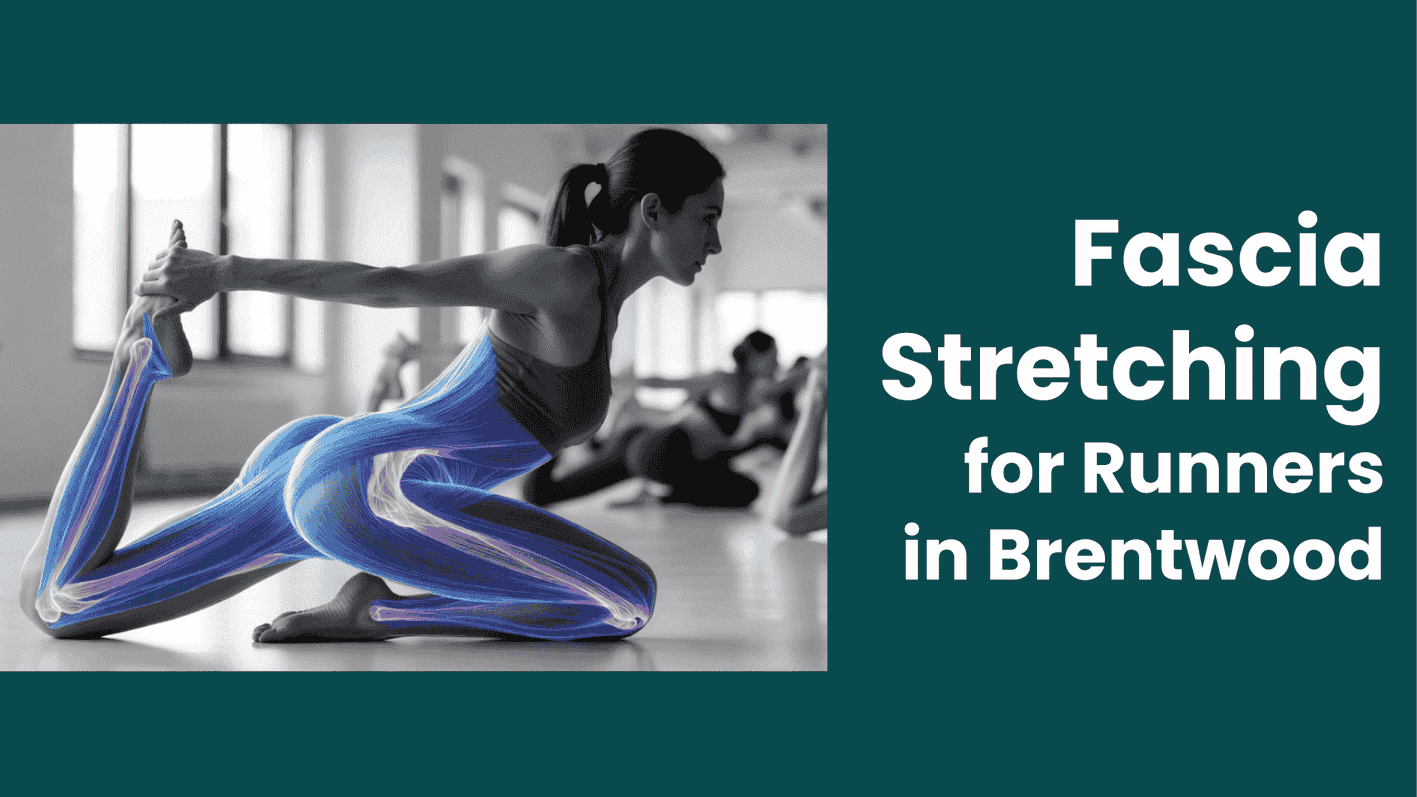
Fascia stretching is a specialized technique that targets the connective tissue around your muscles, improving flexibility, reducing pain, and enhancing athletic performance. Unlike traditional stretching, fascia release addresses the root cause of tightness through sustained holds, myofascial release, and movement patterns that runners specifically need.
I’ve spent the last many years working with runners in Brentwood, and I’ve learned something that changes everything: most runners stretch wrong.
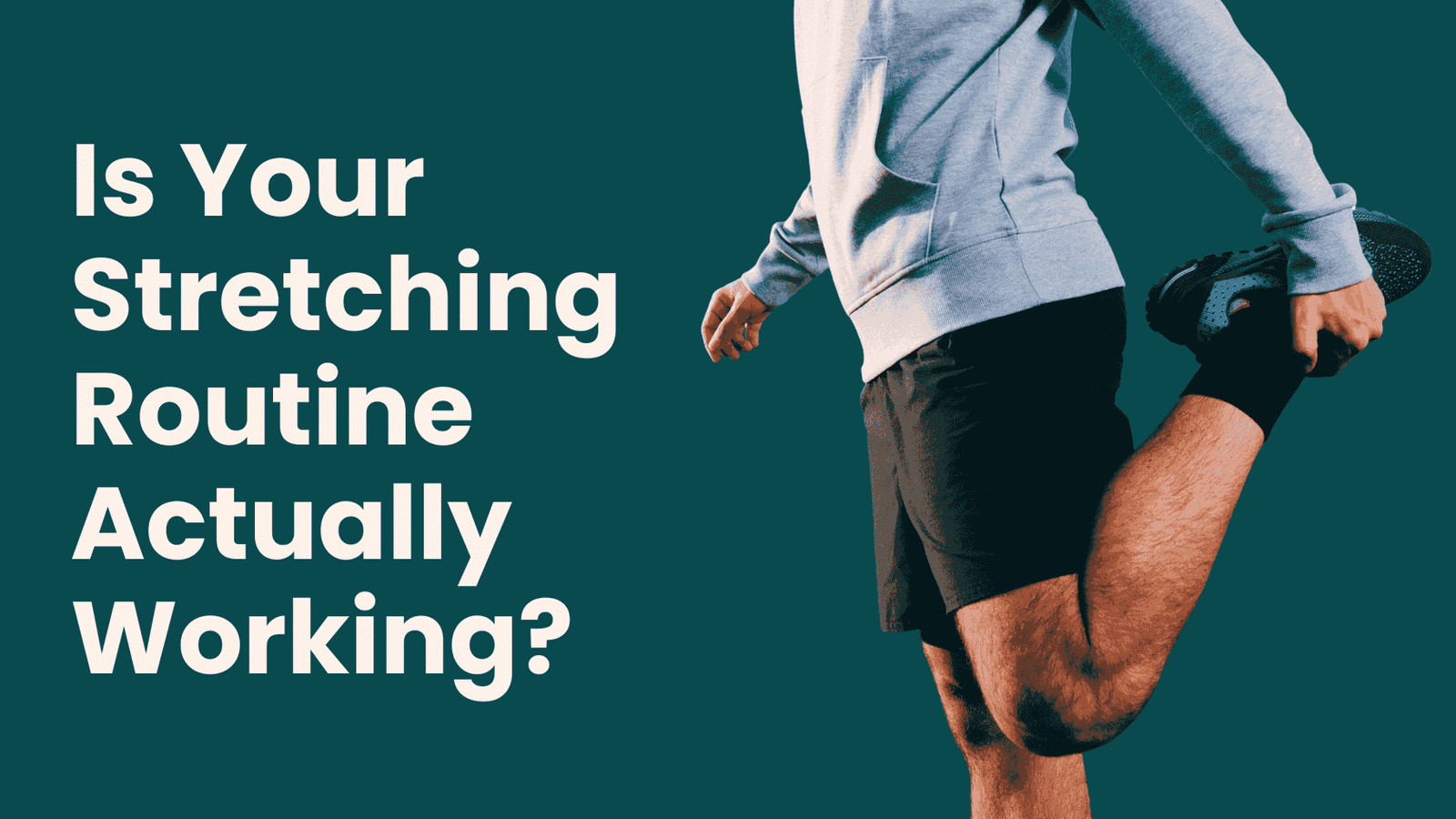
They do stretches for their hamstrings. They stretch their quadriceps for 30 seconds before they run. They say that everything is because their “tight muscles” are to blame. After that, they wonder why flexibility doesn’t get better and injuries keep happening.
Here’s what’s actually going on in a runner’s body: your muscles aren’t the problem. It’s your fascia—the connective tissue wrapped around every muscle, nerve, and blood vessel like a biological wetsuit.
When runners train without working on their fascia, it gets dry, tight, and loses its stretchiness. This doesn’t get better with regular stretching. That’s when fascia stretching comes in.
Why Fascia Work Matters for Brentwood Runners
Almost every runner who comes into my studio has tight hip flexors, IT bands that don’t move well, and ankles that don’t move well. These same runners say they recover faster, are more flexible, and have no pain after 12 weeks of training that focuses on fascia.
Here’s the difference fascia stretching makes:
Elasticity and Recoil: Healthy fascia works like a spring, storing energy when your foot hits the ground and releasing it when you push off. When your fascia is tight, you feel heavier and slower.
Range of Motion: Runners need to be able to move their hips and ankles freely. Fascia restrictions make both less possible. Your knees make up for it, and then you get hurt.
Speed of Recovery: Dehydrated fascia can’t move nutrients and waste around as well. Hydrating the fascia speeds up recovery between runs.
Pain Relief: The fascia has more pain receptors than the muscle itself. Fascia restrictions can hurt even when muscles aren’t hurt.
The Five Essential Techniques
1. Hip Flexor Release (The MVP)
Running and sitting too much can make your hip flexors tight all the time. This has a direct effect on hip mobility, stride length, and lower back pain.
How to do it: Put your back knee on a pad and get into a deep lunge. Don’t let your torso slouch. Now, for 90 seconds, pulse gently forward with small movements. Take a deep breath; it helps fascia to let go. Three to four times a week, do this.
2. Plantar Fascia Release
Your plantar fascia runs along the sole of your foot and takes impact 1,000+ times per mile. This is why plantar fasciitis is so common in runners.
How to do it: Place a tennis ball or lacrosse ball under the arch of your foot. Apply body weight and slowly roll from heel to toes. Spend extra time on tender spots. Do this daily, ideally right after runs. One minute per foot.
3. IT Band Release
The iliotibial (IT) band is a thick strip of tissue that runs down the outside of your thigh. One of the most common injuries for runners is pain on the outside of the knee, which is caused by tightness in the IT band.
How to do it: Lie on your side with a foam roller under your hip. Roll slowly from your hip to your knee. When you find a tight spot, stop and do small movements for 5 to 10 seconds. Do this three to four times a week, after your runs.
4. Hamstring Release
If your hamstrings are too tight, they can pull on your sitting bone, make your lower back hurt, and change the tilt of your pelvis. All of the runners I work with have tight hamstrings.
How to do it: Sit on the floor with your legs straight out. Put a foam roller under your hamstrings, just above your knee. Raise your body a little and roll toward your butt. Hold the spots for 5 to 10 seconds. Do this four to five times a week.
5. Calf and Ankle Release
Tight calves make it harder for your ankles to flex and change the way you run. This puts stress on your shins and plantar fascia.
How to do it: Sit with one leg extended. Place a small ball under your calf. Apply body weight and slowly roll from ankle to knee. Spend extra time on the lower calf near your Achilles. Do this daily.
A Real Transformation
Sarah came to me in January and told me she wanted to run her first marathon. The problem was that her IT band and hip would get so tight after three miles that she would have to stop.
She’d tried traditional stretching, foam rolling, even physical therapy. Nothing worked.
I looked at how she moved. Her hip flexors were very tight. Both of the IT bands were stuck. Her calves were like concrete. Her glutes were weak, which is a common reason why runners have tight hips and IT bands.
I had her do professional fascia sessions twice per week and the home routine I outlined above four to five days per week. Within four weeks, she ran seven miles without pain. By week twelve, she completed a half-marathon comfortably.
The race day was in April. Sarah ran a marathon in less than four hours for the first time, finishing in 3:58. No pain at all.
Two years later, she’s run four marathons, hasn’t hurt herself once, and does the fascia routine three to four times a week. She is also 12 minutes faster than when we started.
Your Weekly Routine
Daily (5-10 minutes):
- Plantar fascia release (one minute per foot)
- Calf release (one minute per leg)
Three to Four Times Per Week:
- Hip flexor release (90 seconds per side)
- IT band release (90 seconds per side)
- Hamstring release (90-120 seconds per leg)
Total time investment: 30-40 minutes per week.
That’s significantly less than the two to four weeks you lose to injury if you skip this work.
DIY vs. Professional Help
The routine above is good for keeping things in good shape and preventing problems. But professional fascia therapy is worth it because:
I look at your specific movement problems and work on them directly. I find the root causes, not just the symptoms. I do both fascia work and corrective strengthening. I make a program just for your body.
That’s great if you’ve been practicing at home for four weeks and are seeing real progress. Keep it up! If you hit a plateau or the pain doesn’t go away, that’s when you need to get professional help.
Getting Started This Week
If you run 1-3 miles, 2-3 times per week: Start with daily plantar fascia and calf release (five minutes total). Add one longer fascia session per week.
If you run 5+ miles, 4+ times per week: Do daily plantar fascia and calf release. Add three to four full fascia sessions per week.
If you’re training for a race: Do everything above plus consider professional assessment and guidance.
Schedule Your Consultation
Fascia stretching is simple, but getting your specific routine right matters. Every runner’s tightness pattern is different.
I offer a free 15-minute consultation where we assess your flexibility, discuss your running goals, and talk about whether professional fascia work makes sense for you.
This is especially valuable if you’re training for a race, dealing with chronic tightness, or want someone to design a personalized program.